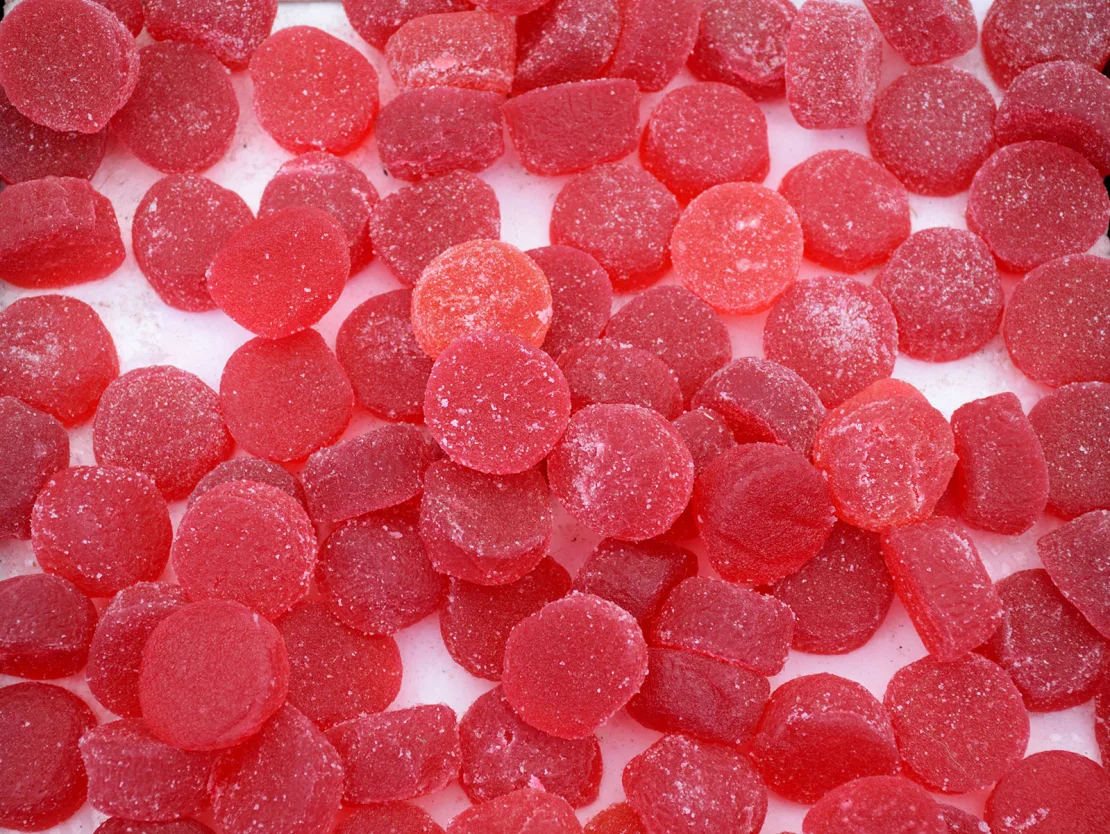

The recent FDA ban on red food dyes marks a watershed moment in food safety regulation, prompting widespread changes across the food industry and raising important questions about artificial ingredients in our daily diet. This decision reflects growing scientific evidence linking synthetic red dyes to various health concerns, particularly in children.
Understanding the Health Risks Behind the Ban
Dr. Sarah Chen, Ph.D. in Nutrition Science at Stanford University, explains: "The research linking synthetic red dyes to behavioral issues in children has been mounting for decades. Studies show that approximately 8% of children exhibit sensitivity to these artificial colorants, with symptoms ranging from hyperactivity to attention difficulties."
Recent research published in the Journal of Pediatric Nutrition found that regular consumption of red food dyes may lead to:
- Increased hyperactivity in susceptible children
- Allergic reactions and skin sensitivities
- Potential cellular damage due to inflammatory responses
- Disrupted sleep patterns in sensitive individuals
Timeline: From Concerns to Regulation
The path to the current ban reflects years of scientific research and advocacy:
2010: European Union requires warning labels on products containing red dyes 2015: Major U.S. food manufacturers begin voluntary phase-out 2022: Comprehensive meta-analysis links red dyes to behavioral issues 2024: FDA announces comprehensive ban on synthetic red dyes
Industry Impact and Consumer Response
The ban has triggered substantial changes across the food manufacturing sector. Dr. Michael Rodriguez, Director of Food Science at the National Food Safety Institute, notes: "We're witnessing the largest reformulation effort since the trans fat ban. Food manufacturers are investing heavily in research and development of natural alternatives."
Economic Implications
- Estimated $2.8 billion in reformulation costs across the industry
- 15% increase in production costs for affected products
- 78% of consumers support the transition to natural alternatives
Natural Alternatives Taking Center Stage
Registered Dietitian Lisa Thompson specializes in clean eating and product formulation: "The silver lining of this ban is the innovation we're seeing in natural food coloring. Ingredients like beetroot extract and purple carrot juice not only provide vibrant colors but also offer nutritional benefits."
Popular natural alternatives include:
- Beetroot extract (deep red)
- Lycopene from tomatoes (bright red)
- Anthocyanins from berries (purple-red)
- Paprika extract (orange-red)
Future Implications for Food Safety
The red dye ban sets a precedent for future food safety regulations. Industry experts anticipate:
- Increased scrutiny of other artificial colorants
- Stricter testing requirements for synthetic additives
- Greater emphasis on natural ingredient sourcing
- Enhanced transparency in labeling requirements
Consumer Action Steps
When adapting to these changes, consumers should:
- Read product labels carefully during the transition period
- Be aware of potential price increases in reformulated products
- Research natural alternatives for home cooking and baking
- Report any adverse reactions to new formulations
Looking Ahead
This landmark decision reflects a broader shift toward cleaner labels and natural ingredients in our food supply. While the transition presents challenges for manufacturers and consumers alike, the long-term health benefits and increased transparency in food production suggest a positive step forward for public health.
The red food dye ban represents more than just a regulatory change – it signals a fundamental shift in how we approach food safety and artificial ingredients in our food supply. As manufacturers adapt and consumers become more aware of alternatives, this transition may well be remembered as a crucial turning point in food industry history.
All Links: 👇
- Website joins Link: Click here.
- Website joins Link: Click Here.
- Get Your Api key Here: Click Here.
- Faucet Panel link: Click here.
- Faucet pay Link: Click here.
- Get Your Script License key Here: Click here.
- Script Links 👇
- If First Link Not Work, Try 2nd Link.
- Script Download: Click Here.
- Script Mirror Link: Click Here.
- Other Tools Links 👇
- Kiwi Browser Mod Link: Click Here.
- Quick Editor Mod Link: Click Here.
- HTTP Canary Mod Link: Click Here.
- Advance Browser App Link: Click Here.
- Termux App link: Click Here.