👉Click Here Or Scroll Down To Get Links👇

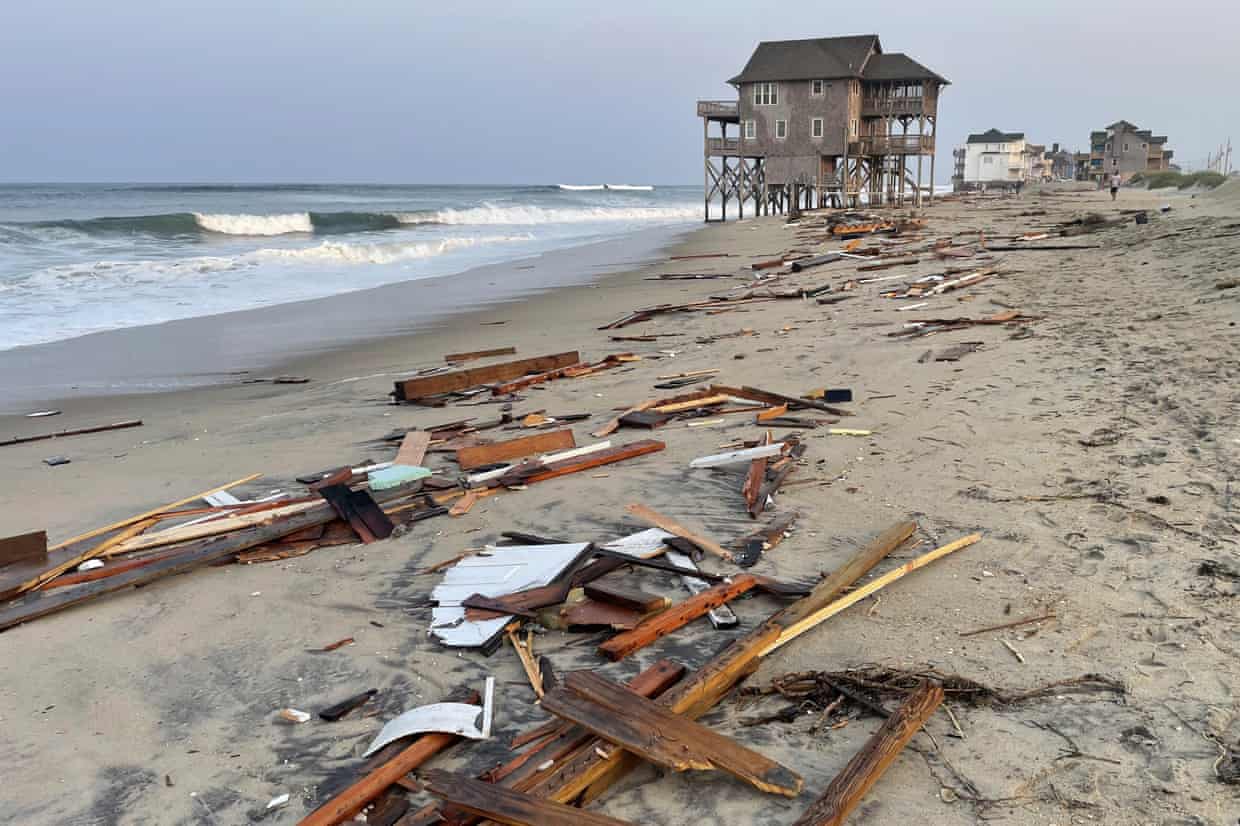
The pretty views out over the water and the comfy beaches of the coast of North Carolina are mesmerizingly beautiful. Within hours of this picture being taken, leisure transformed to emergency response, as a beach home in North Carolina collapsed spectacularly into the ocean. This event has really caught the eyes of both local residents and media, eliciting lots of important and key concerns dealing with coastal erosion, construction safety, and the like. In this blog article, we take into detail the collapse, what causes such incidents, and what can be done to avoid those incidents in the future.
The Accident: What Happened?
On August 15, 2024, a beachfront house along North Carolina's Outer Banks suddenly rushed into the Atlantic Ocean. To see this house gets swallowed up: the plunge was fast and hard, with the home tumbling into the sea in just a matter of hours. Here's an overview of what happened :
- Date and Time: August 15, 2024, around 3:00 PM
- Location: Outer Banks, North Carolina
- Affected Property: A two-story beachfront home directly sitting on the sand dunes
- Early Signs: Cracked foundation and erosion at the base
- Eyewitnesses from the building say that signs of weakness became apparent on the morning of the incident when gigantic cracks were seen on the foundation of the building in the early morning and, the foundation caved during the afternoon and the house came down to the sea in a relative ending fiasco.
Collapse Reasons
Several reasons, all pointing to the difficulties in construction and maintenance in the coastal zone, explain the disaster. Knowledge of these reasons can provide valuable insight into ways and means for preventing such incidents in the future.
1. Coastal Erosion
Coastal Erosion is defined as the process of failure of shores due to natural forces like waves, currents, and wind.
- Effect: This can undermine the base of beachfront, causing them to be unstable and hence possibly collapse.
- Recent Developments: Faster rising sea levels and more storm activity have raised erosion rates up for many coastal areas; North Carolina included.
2. Storm Activity
- Hurricanes and Tropical Storms: Outer Banks may be affected by hurricanes and tropical storms, which can further exacerbate the processes of erosion and cause high magnitude structural impacts.
- Recent Events: With the heavy rainfall and strong winds that recent storms brought about, the erosion close to the house's foundation is likely to have been accelerated.
3. Construction and Maintenance
- Building Standards: Beachfront properties should be constructed based on certain standards which could contribute to reduce the effects of erosion and storm damages.
- Maintenance: A regular maintenance and an inspection are very important in recognizing upcoming problems, and taking any repair before it gives any disastrous trouble.
- Past Inspections: Whether the property had undergone a recent inspection or there were known problems with its foundation was not clear.
4. Human Factors
- Development Pressure: The heavy demand for beachfront properties leads to development at a fast pace with less thought for environmental liabilities
- Regulatory Challenges: this can put pressure on local authorities and regulators to balance the interest in development and the measures the environment should be guarded against the development interests
Immediate Response
The beach house dropped, and an instant reaction was seen the same time from the local authority and emergency services. The following is an overview of what occurred:
1. Evacuation and Safety Measures
- Evacuation Orders: The authorities issued orders for the evacuation of the properties that were in close vicinity where the situation occurred for the residents and tourists to remain safe.
- Security Perimeter: The site where the collapse occurred was secured in a safety perimeter as a prevention measure that nobody was around the site as it had become unstable.
2. Damage Assessment and Recovery
- Evaluation of Damage: Structural engineers and specialists in environment were assigned to the collapse site to make an evaluation on the damage and the impact that the turns of events caused on the surrounding areas.
- Debris Collection: Efforts were put to gather the debris from along the beach to reduce the hazardous conditions to other people using the beach and for cleaning.
3. Public Notification
- Press Conference: Local leaders were involved in press conference to inform the general public of the incident and of potential impacts that can happen.
- Neighborhood Contact: The relative neighborhood and the business community were updated on the situation, the clean up activity, and any protection actions that may be taken.
The sudden failure of the North Carolina beach house cites several long-term implications for the community and broader coastal region. Here are some considerations moving forward:
1. Management and Planning of the Coast
- Improved Regulations: There is likely to be an increasing call for yet more stringent regulations and building codes concerning coastal zones and houses, especially in improving and maintaining good practice in erosion control and structural integrity.
- Long-Range Planning: Coastal management plans need to be taken up appropriately in larger scope, keeping in view long-term erosion and expected effects of climate change.
Public Knowledge and Preparedness
- Public awareness: The community in general be aware of the perils of coastal erosion and compulsion to control building and construction in such regions.
- Emergency plans The community should have good emergency plans to react healthily in case of such happenings in the future.
3. Environmental Management
- Dune and Beach Protection: Protecting and restoring these natural barriers, like sand dunes, can be quite effective against erosion effects on properties.
- Adaptation to climate change: Minimising or reducing the impacts of climate change means incorporating sustainability in all ways and policies, enabling ecosystems and societies to remain resilient to erosion in the long run.
What's Next for Property Owners and Developers
Major steps that coastal property owners and developers can take toward safety and sustainability of their property include:
Site Assessments
- Pre-construction Surveys: Site assessments which anticipate risks related to erosion and environmental variables should be carried out before setting up any building.
- Regular Inspections: An existing site in question should be regularly inspected for likely issues in their early stages.
Erosion Control
- Erosion Barriers: Erect several erosion control barriers including seawalls, geotextiles and vegetation on the development to enhance protection from coastal erosion.
- Maintenance Plans: Design plans for the maintenance of the various erosion control structures to be effective over the years.
3. Stay Informed and Compliant
- Regulatory Updates: Be conversant with changes in building codes and regulation about coastal construction.
- Best Practices: Adhere to best practices in construction and maintenance for safety and long life of properties on the beach End.
The collapse of the North Carolina beach house into the sea is a testament to the difficulties inherent in coastal living and construction. However tragic this event might be, it provides an opportunity to reflect and act in a better way. Knowing the reasons for this failure and taking proper proactive steps for modifications in design can lead us to prevent the occurrence of a similar event.
It should be directed at betterment in coastal management, community preparedness, and adherence by property owners and developers to very high standards. It is through joint efforts that the coastlines and the communities dependent on them are safeguarded.
Stay tuned for more updates on the same incident and other related stories. You can leave any comment that you would wish to make known or ask any of the questions you have at the comments section below. Your feedback is important to us as we strive to build on and address pertinent issues affecting our coastal areas.
Stay Safe and Informed!
All Links: 👇
- Web joins Link: Click here.
- Web joins Link: Click Here.
- Get Your License Api key Here: Click Here.
- Faucet Panel link: Click here.
- Faucet pay Link: Click here.
- Script Password Link: Click here.
- Script Links 👇
- If First Link Not Work, Try 2nd Link.
- Script Download: Click Here.
- Script Mirror Link: Click Here.
- Other Tools Links 👇
- Kiwi Browser Mod Link: Click Here.
- Quick Editor Mod Link: Click Here.
- HTTP Canary Mod Link: Click Here.
- Advance Browser App Link: Click Here.
- Termux App link: Click Here.